
An outdoor classroom is a unique and valuable learning space that educators are increasingly integrating into school curriculums. This type of learning environment provides students with the opportunity to engage with nature, breathe in fresh air, and explore the natural world around them.
From conducting science experiments under the shade of a tree to reading a book on a blanket in the grass, outdoor classrooms offer endless possibilities for hands-on, experiential learning. Not only does this type of setting enhance academic engagement, but it also promotes physical activity and overall well-being among students.
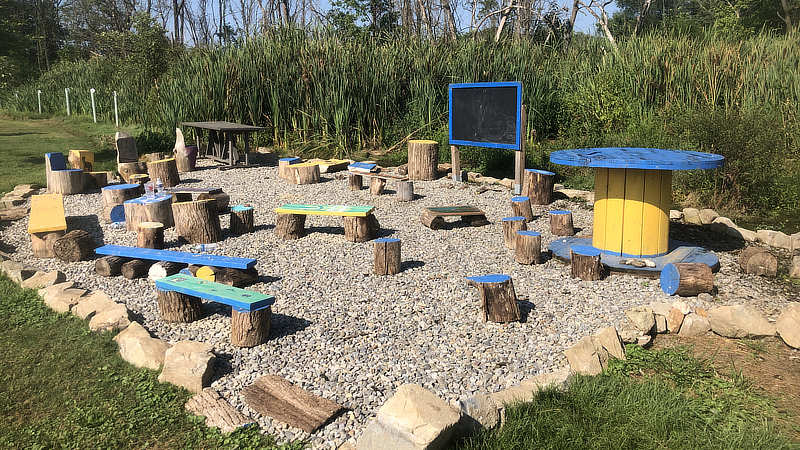
Benefits of Outdoor Classrooms
Outdoor classrooms provide a dynamic and interactive learning environment that allows students to connect with nature while engaging in educational activities. Through hands-on experiences like planting a garden or observing wildlife, students can develop a deeper appreciation for the natural world. Research has shown that outdoor learning spaces can improve academic performance, increase creativity, and enhance overall well-being among students. By integrating Outdoor classroom for schools
Outdoor learning space for schools
Outdoor classroom into school curriculums, educators can create a more holistic and enriching educational experience for their students.
Engagement and Learning Outcomes
When students are given the opportunity to learn in an outdoor setting, they become more engaged in the learning process and are more likely to retain information. Outdoor classrooms provide a multi-sensory experience that stimulates curiosity and encourages exploration. Whether students are studying the ecosystem of a pond or practicing math skills using natural materials, they are able to make connections between academic concepts and real-world applications. By incorporating Outdoor classroom for schools
Outdoor learning space for schools
Outdoor classroom into their teaching practices, educators can help students develop a deeper understanding of the natural world and foster a lifelong love of learning.
In conclusion, outdoor classrooms offer a unique and valuable learning environment that promotes academic engagement, physical activity, and overall well-being among students. By providing hands-on, experiential learning opportunities in nature, students can develop a deeper appreciation for the natural world and enhance their academic performance. Educators who integrate outdoor classrooms into their teaching practices can create a more holistic and enriching educational experience for their students, fostering engagement, curiosity, and a lifelong love of learning. Outdoor classrooms truly provide endless possibilities for enhancing the educational experience and connecting students with the world around them.